
Skin Concern
Dry Skin
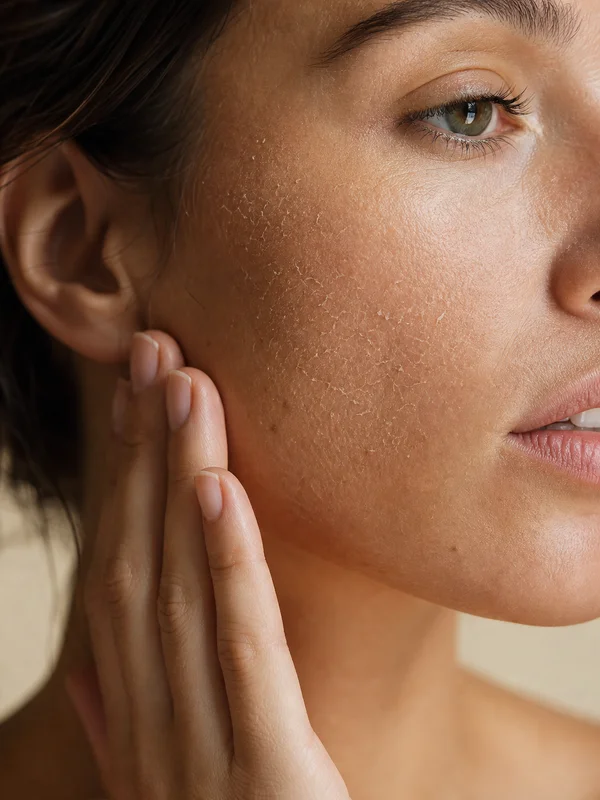
Dry skin feels tight, flaky and sometimes painful. The skin barrier isn't functioning optimally, causing moisture to evaporate faster than normal. At SKIN, we restore moisture balance with intensive hydrating treatments and professional products.
4.9 Google Rating · Free, no-obligation consultation
What is Dry Skin and who is it for?
Dry skin feels tight, flaky and sometimes painful. The skin barrier isn't functioning optimally, causing moisture to evaporate faster than normal. At SKIN, we restore moisture balance with intensive hydrating treatments and professional products.
Signs
Symptoms & signs
- Tight, uncomfortable feeling
- Flaking or peeling
- Rough texture
- Fine lines more visible
- Redness or irritation
- Itching after cleansing
Treatments
How do we treat it?
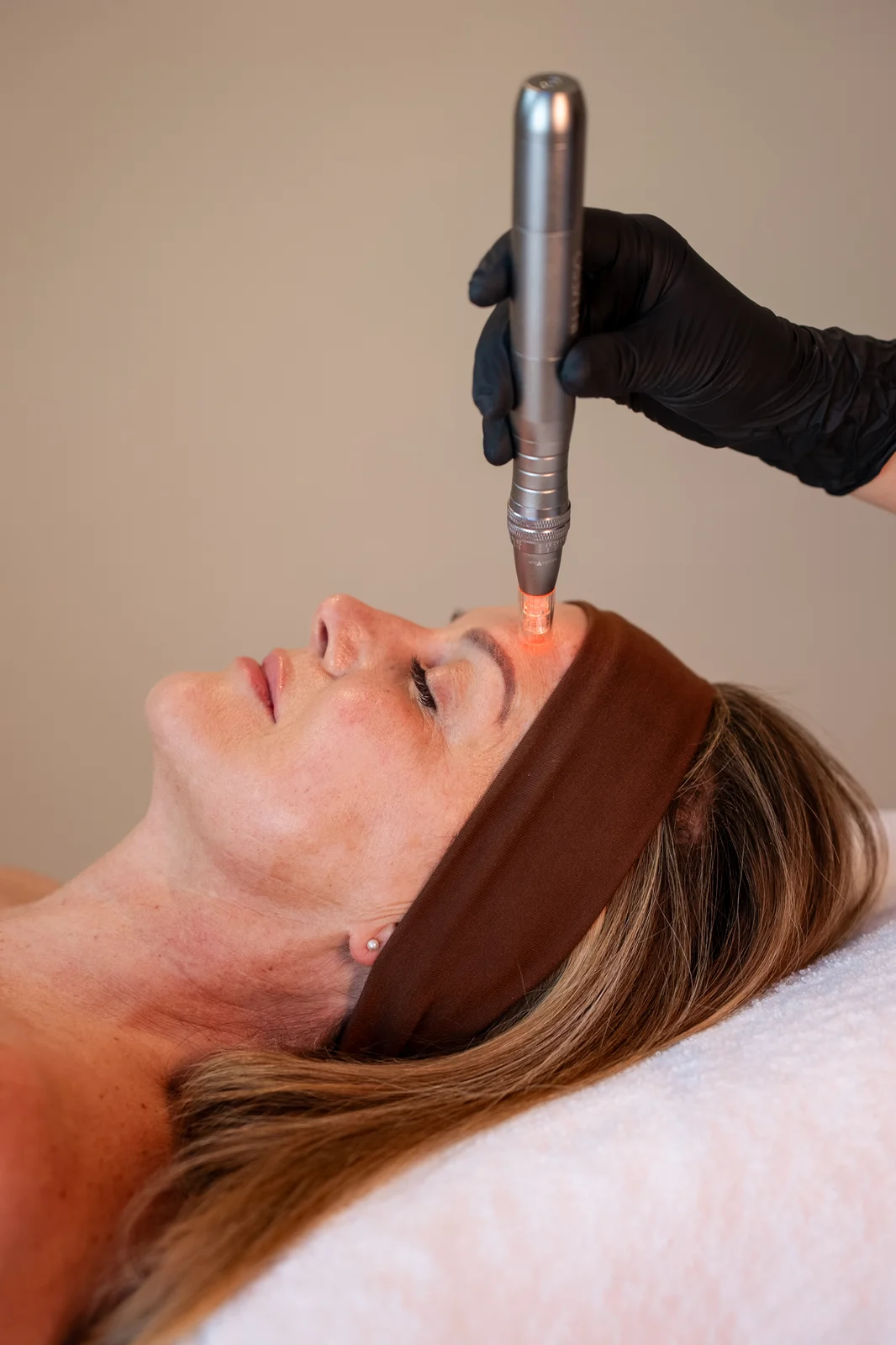
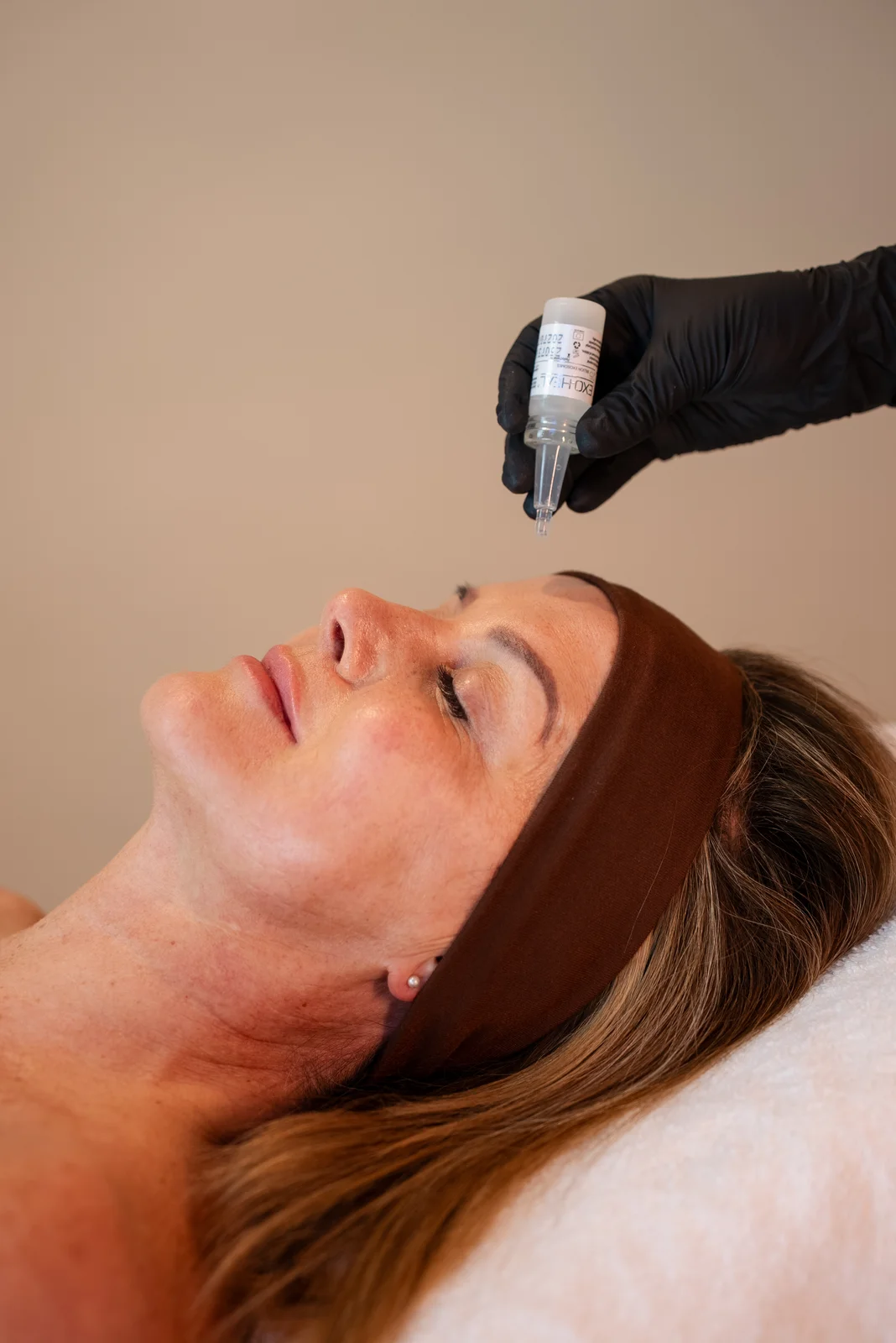
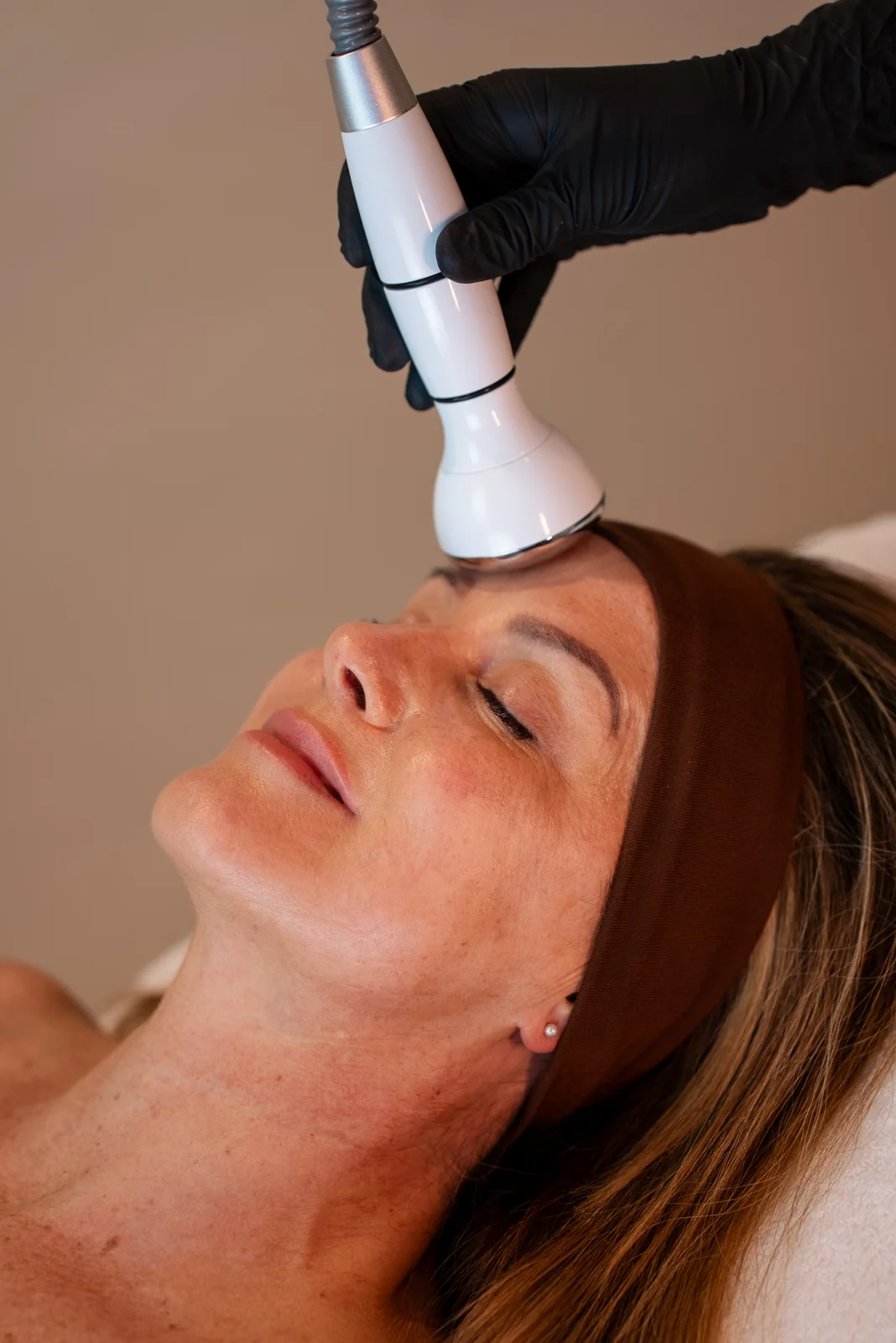
Our range of treatments, tailored to your skin and concerns.
Your journey
What can you expect?
- 1
STEP ONE
Consultation
A personal conversation about your skin, concerns and medical background — the foundation for a tailored treatment.
- 2
STEP TWO
Analysis
Our skin specialists analyze your skin type and condition to determine the right treatment protocol.
- 3
STEP THREE
Treatment
Your treatment is performed using the latest technologies and premium products for optimal results.
- 4
STEP FOUR
Aftercare
After your treatment, you receive personalized product advice to maintain your results at home.
Questions? We have answers.
What is dry skin and how do I recognise it?
Dry skin produces insufficient sebum and struggles to retain moisture. Characteristics include a tight or tense feeling, visible flaking or roughness, fine lines appearing earlier due to lack of hydration, a dull complexion and sensitivity to wind and cold. Dry skin is a skin type, not a temporary condition: it is innate and requires a consistent nourishing routine. Our skin therapist analyses during the intake whether it is a structurally dry skin or a temporarily disrupted skin barrier.
What are the causes of dry skin?
The causes of dry skin are diverse. Genetic predisposition is the main factor: some people naturally produce less sebum. Other causes include ageing (sebaceous glands become less active), hormonal changes (especially menopause), environmental factors such as dry air, wind and heating, too frequent cleansing with harsh soap, use of alcohol-containing products, medications (such as isotretinoin or antihistamines) and certain skin conditions such as atopic eczema or psoriasis.
Which treatments work best for dry skin?
At SKIN we focus on intensive hydration and barrier restoration for dry skin. The most effective treatments are the Aqua Peel (water-driven hydration), LED light therapy with red light (stimulates collagen production and barrier repair), a mild hydrating peel and nourishing masks. For structurally dry skin a course of 4 to 6 sessions is recommended, combined with the right home routine. Our skin therapist puts together a tailored treatment plan at intake.
What is the difference between dry skin and dehydrated skin?
Dry skin is a skin type that produces too little sebum. Dehydrated skin is a temporary condition where the skin lacks moisture, which can also occur with oily or combination skin. Dehydrated skin feels tight, has fine lines and a dull complexion, but still has normal or increased sebum production. The approach differs: dry skin needs lipids (fats), dehydrated skin needs water-binding ingredients such as hyaluronic acid. Our skin therapist makes this distinction at intake.
What is the best home care for dry skin?
For dry skin, cream or oil-based cleansers are the best choice. Avoid foaming soap. Choose a rich day cream with ceramides, squalane, shea butter or a lipid-repair complex. Add a hyaluronic acid serum for extra hydration. Apply your day cream to slightly damp skin for better absorption. Use a nourishing night cream or facial oil at night. Do not forget daily SPF: dry skin needs protection too. Our skin therapist is happy to recommend specific products at the Product Consultation.
Can dry skin also get acne?
Yes. Dry skin produces less sebum, but a disrupted skin barrier can still make it prone to inflammation and comedones. Using overly rich or comedogenic products on dry skin can also cause blackheads. Dry skin and acne together require a careful approach: too aggressive acne treatments dry the skin out further. Our skin therapist always chooses a protocol that hydrates the skin while simultaneously cleansing pores.
Does dry skin get worse in winter?
Yes, winter is the most challenging period for dry skin. Cold outdoor air, dry indoor heating air and frequent washing or showering all strip extra moisture and lipids from the skin. Our skin therapist recommends switching to a richer cream in winter, swapping your cleanser for a non-foaming variant, using a nourishing night mask and placing a humidifier at home. Professional treatments in winter, such as a nourishing Aqua Peel or LED therapy, help the skin through the cold months.
Is treating dry skin at SKIN safe during pregnancy?
Most treatments for dry skin, such as the Aqua Peel, hydrating masks and LED light therapy, are well-tolerated during pregnancy. Our skin therapist adapts the protocol and avoids active ingredients that are not suitable during this period. Always discuss with your midwife or GP which treatments you are considering. SKIN treats pregnant clients with extra care and an adapted plan.
Get advice from our specialists
Every skin concern deserves a personalised approach. Book a free, no-obligation consultation and discover which treatment suits you best.