
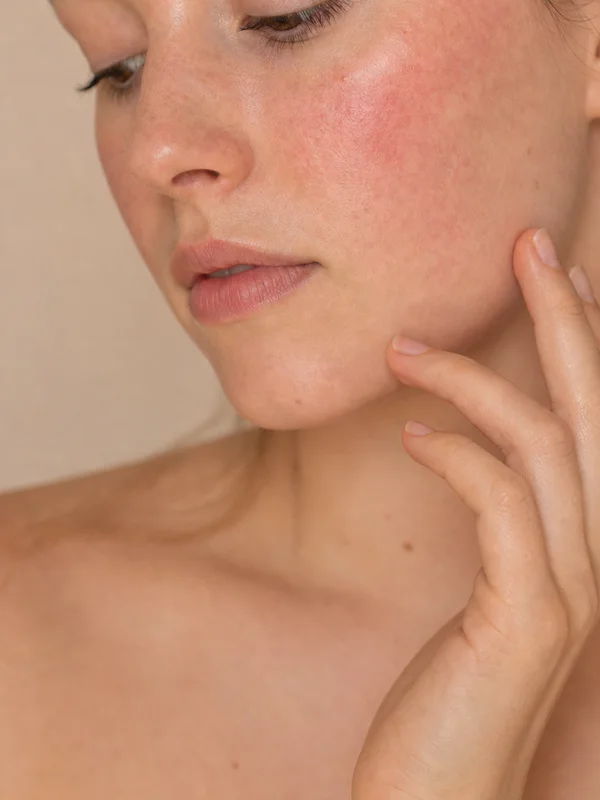
What is Sensitive Skin and who is it for?
Sensitive skin reacts quickly with redness, irritation or a burning sensation. At SKIN, we use mild, strengthening treatments that build up the barrier without overwhelming the skin.
Signs
Symptoms & signs
- Redness after product application
- Burning or stinging sensation
- Tight, uncomfortable skin
- Reaction to weather changes
- Intolerance to many skincare products
- Visible irritation and flushing
Treatments
How do we treat it?
Our range of treatments, tailored to your skin and concerns.
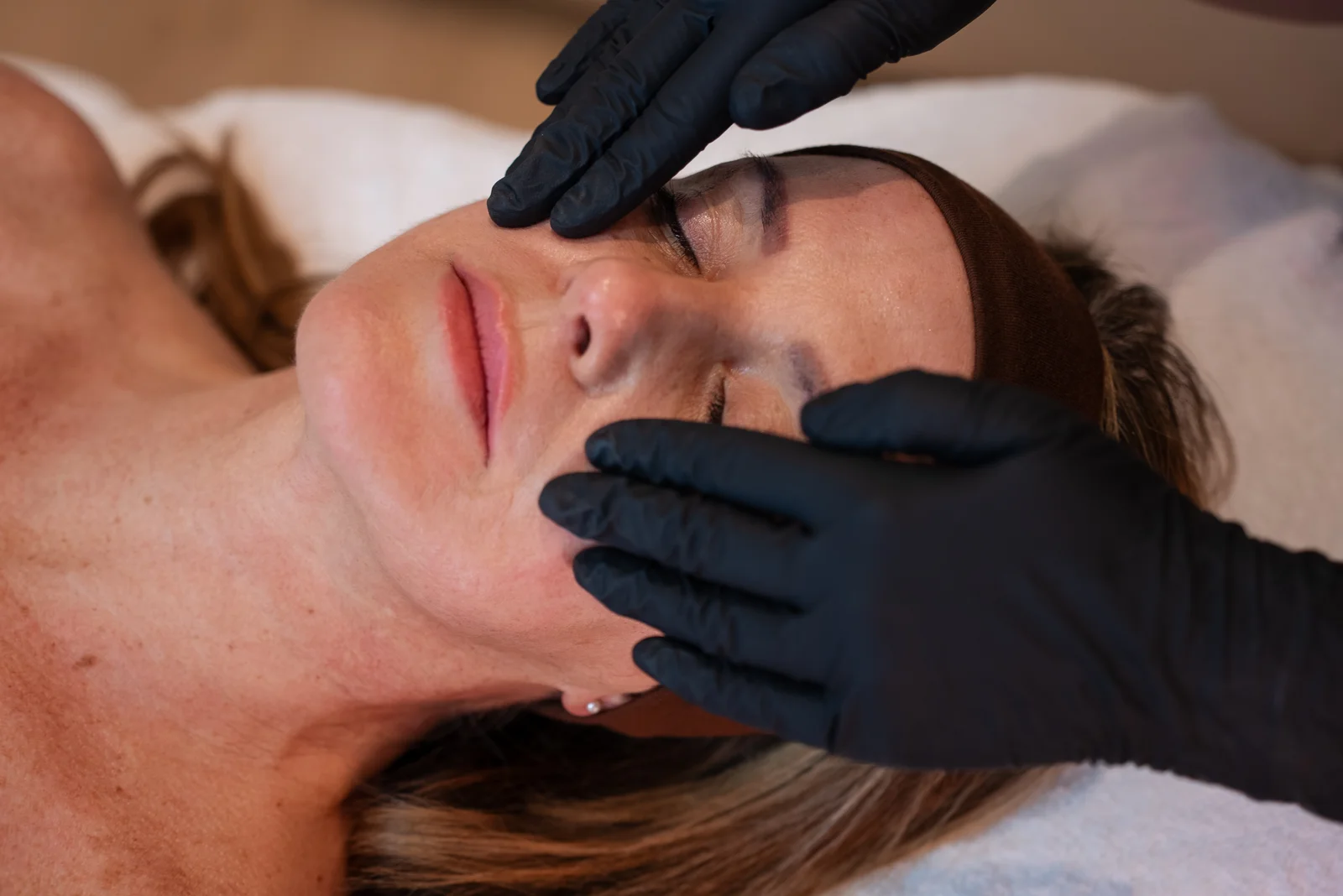
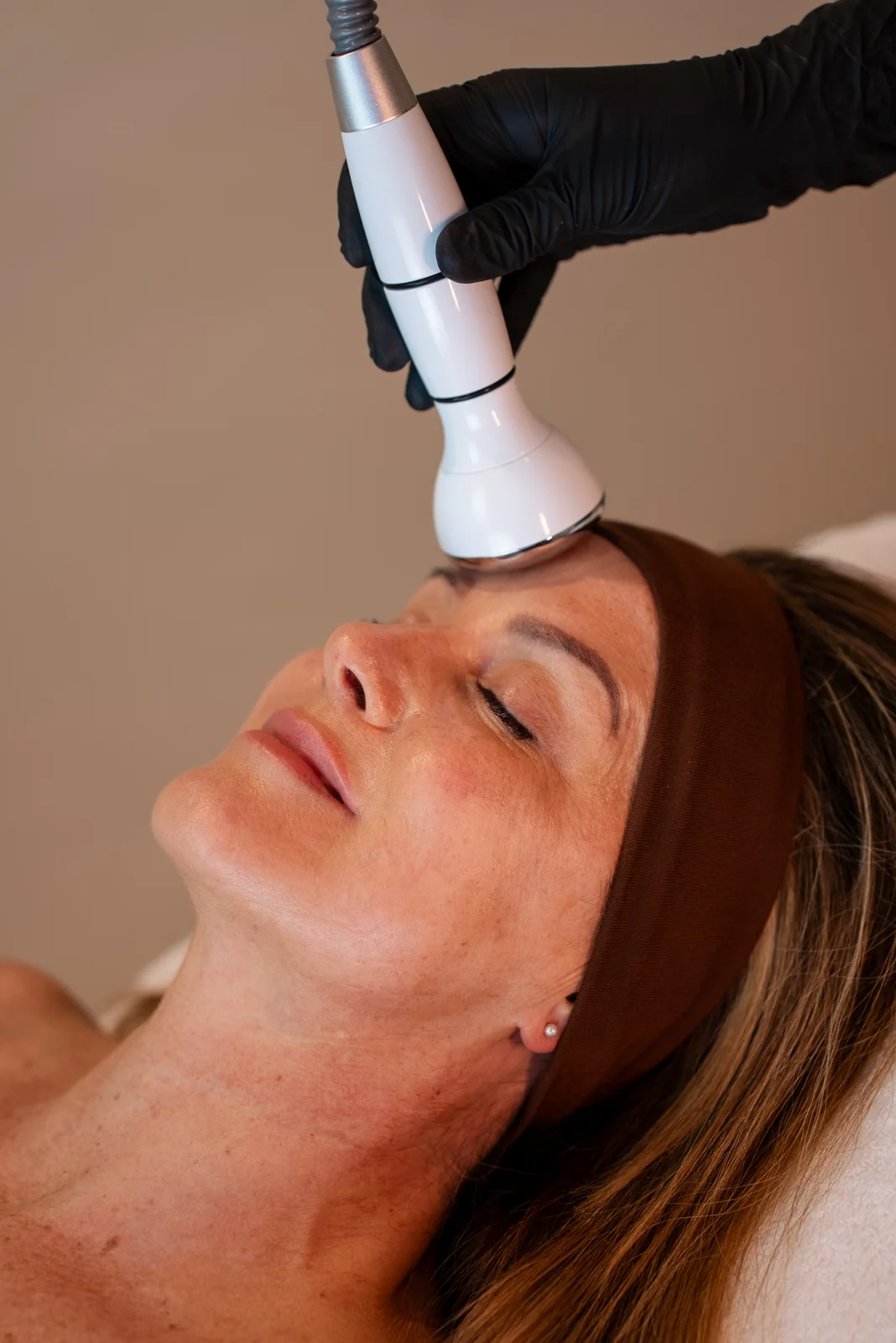
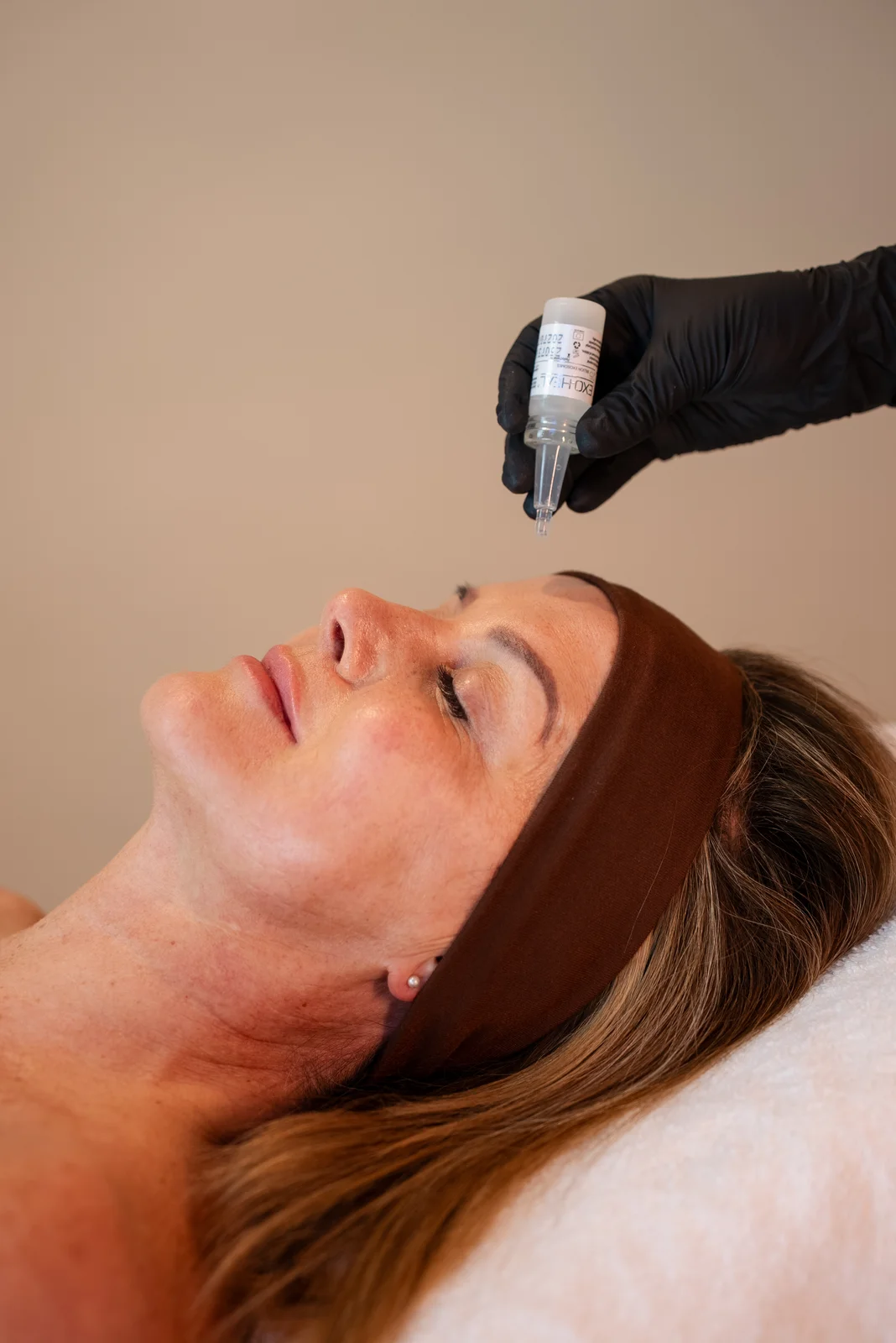
Your journey
What can you expect?
- 1
STEP ONE
Consultation
A personal conversation about your skin, concerns and medical background — the foundation for a tailored treatment.
- 2
STEP TWO
Analysis
Our skin specialists analyze your skin type and condition to determine the right treatment protocol.
- 3
STEP THREE
Treatment
Your treatment is performed using the latest technologies and premium products for optimal results.
- 4
STEP FOUR
Aftercare
After your treatment, you receive personalized product advice to maintain your results at home.
Questions? We have answers.
What is sensitive skin and how do I recognise it?
Sensitive skin reacts more quickly and intensely to external triggers than normal skin. Characteristics include redness, a burning or tingling sensation after applying products, skin that dries out or feels tense quickly, visible capillaries (couperose), flaky patches and a tendency towards rashes or allergic reactions. Sensitive skin can be a skin type or the result of a disrupted skin barrier. Our skin therapist makes the distinction at intake and establishes the right approach.
What causes sensitive skin?
Sensitive skin has multiple causes. A thin or disrupted skin barrier allows irritants to penetrate more easily. Genetic predisposition plays a role, as do skin conditions such as rosacea, eczema or psoriasis. Environmental factors include wind, cold, UV radiation and pollution. Over-exfoliation or use of products containing alcohol, fragrance or aggressive preservatives damages the barrier. Hormonal changes and stress can also temporarily increase skin sensitivity.
Which treatments are suitable for sensitive skin at SKIN?
For sensitive skin our skin therapist chooses treatments that calm, repair and strengthen the barrier rather than intensively exfoliate. The most suitable options are LED light therapy with yellow or red light (calms redness, strengthens barrier), the Aqua Peel with a hydrating protocol, and the Plason Facial with cold plasma at the lowest setting for antibacterial action without irritation. Chemical peels and lasers are always applied cautiously and at the lowest intensity for sensitive skin.
Which ingredients should I avoid with sensitive skin?
With sensitive skin, avoid: alcohol (denat.), fragrance and essential oils, menthol and eucalyptus, strong exfoliants such as high percentage AHA/BHA, SLS and SLES as cleansing agents, and preservatives such as methylisothiazolinone. Instead use products containing ceramides, panthenol (vitamin B5), niacinamide, azelaic acid and calming extracts such as chamomile or witch hazel. Our skin therapist provides a specific ingredient list at the Product Consultation.
How do I reduce redness with sensitive skin?
Reducing redness in sensitive skin starts with protecting the skin barrier. Use a gentle, fragrance-free cleanser, a barrier-repair cream with ceramides and a good mineral SPF. Avoid very hot water when washing. Professional treatments that help include yellow/red LED light, the Plason Facial and mild hydrating masks. For redness caused by couperose, more targeted vascular treatments are available. Our skin therapist draws up a specific plan at intake.
Can I use retinol with sensitive skin?
Retinol is effective but can cause irritation with sensitive skin, especially initially. If you have sensitive skin and want to use retinol, start with a low concentration (0.01 to 0.025 percent), apply it only 1 to 2 times per week, always use a good moisturiser alongside it and never use it during the day without SPF. Retinol alternatives such as bakuchiol are gentler and suitable for sensitive skin. Our skin therapist is happy to advise on when and how to introduce retinol.
Which make-up is safe for sensitive skin?
Choose make-up labelled 'hypoallergenic', 'fragrance-free' or 'suitable for sensitive skin'. Mineral make-up is generally the best tolerated. Avoid foundations containing fragrance, alcohol or colourants. A good SPF mineral foundation or BB cream is ideal as daily protection. Always test new products on a small patch of skin first before applying to your whole face. Our skin therapist can provide make-up recommendations alongside your treatment programme.
Is treatment for sensitive skin safe during pregnancy?
Gentle treatments such as red LED light therapy, hydrating Aqua Peel sessions and calming masks are generally safe during pregnancy and breastfeeding. Our skin therapist adapts the protocol and avoids active ingredients not recommended during this period. Always discuss your situation with your midwife or GP, and mention this when booking your appointment at SKIN.
Get advice from our specialists
Every skin concern deserves a personalised approach. Book a free, no-obligation consultation and discover which treatment suits you best.