
Skin Concern
Oily Skin
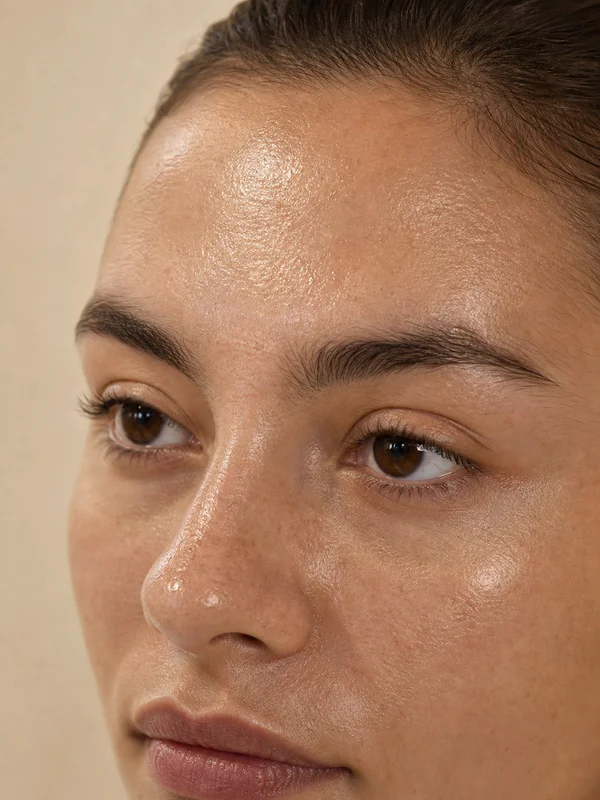
Oily skin produces more sebum than needed, leading to shine, enlarged pores and increased breakout risk. At SKIN, we regulate sebum production with targeted treatments that mattify without dehydrating.
4.9 Google Rating · Free, no-obligation consultation
What is Oily Skin and who is it for?
Oily skin produces more sebum than needed, leading to shine, enlarged pores and increased breakout risk. At SKIN, we regulate sebum production with targeted treatments that mattify without dehydrating.
Signs
Symptoms & signs
- Shiny, greasy appearance
- Enlarged, visible pores
- Frequent breakouts
- Makeup slides off quickly
- Oily feel within hours of cleansing
- Blackheads and congestion
Treatments
How do we treat it?
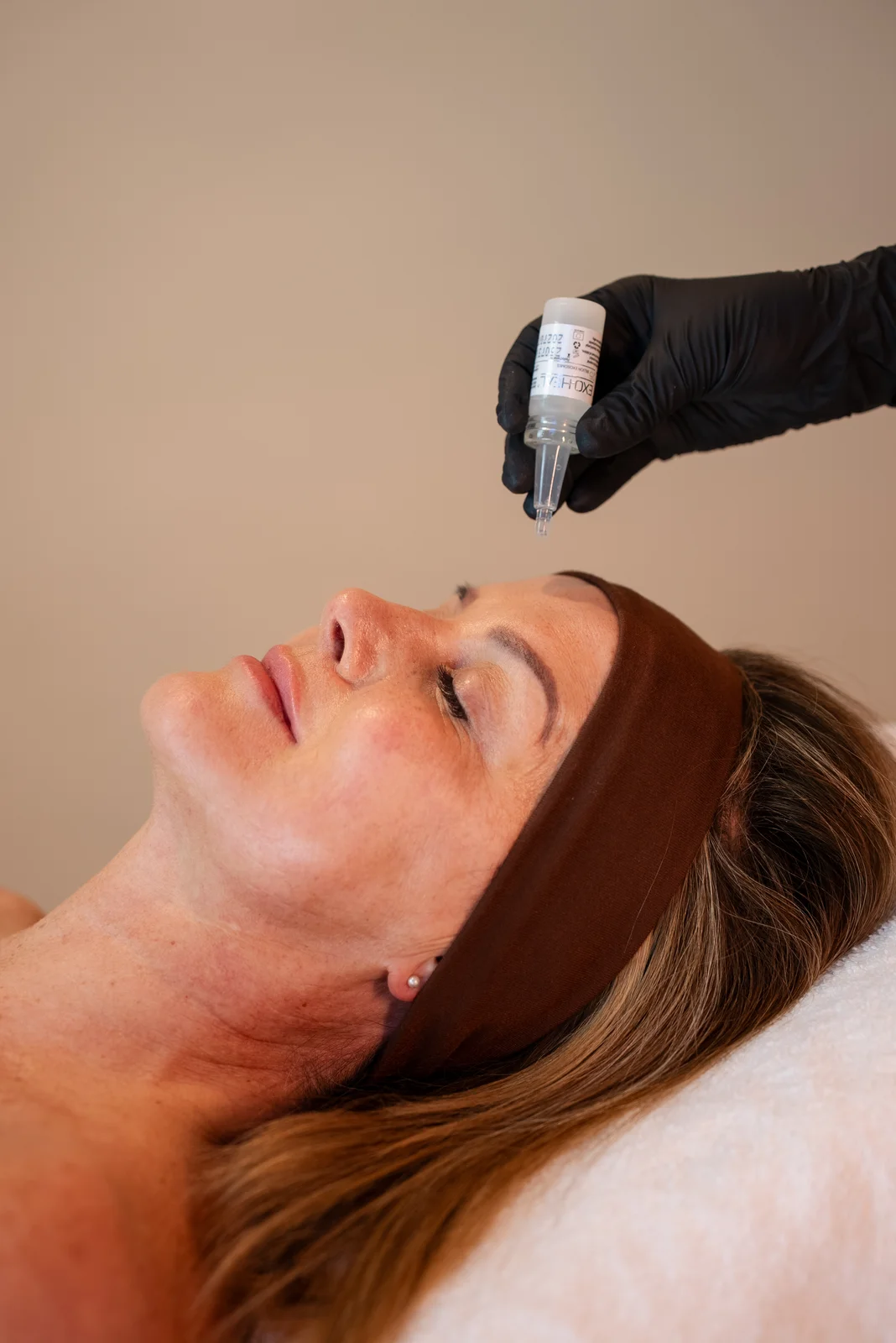
Our range of treatments, tailored to your skin and concerns.
Your journey
What can you expect?
- 1
STEP ONE
Consultation
A personal conversation about your skin, concerns and medical background — the foundation for a tailored treatment.
- 2
STEP TWO
Analysis
Our skin specialists analyze your skin type and condition to determine the right treatment protocol.
- 3
STEP THREE
Treatment
Your treatment is performed using the latest technologies and premium products for optimal results.
- 4
STEP FOUR
Aftercare
After your treatment, you receive personalized product advice to maintain your results at home.
Questions? We have answers.
What is oily skin and how do I recognise it?
Oily skin produces more sebum than normal skin. Characteristics include a shiny or greasy appearance throughout the day, visibly enlarged pores (especially on the nose, chin and forehead), frequently recurring blackheads and spots, make-up sliding off more quickly and skin that feels thick or coarse. Despite these challenges, oily skin also has advantages: it generally ages more slowly than dry skin and has less tendency towards fine lines at an early stage.
What causes oily skin and excessive sebum production?
The main cause is genetic predisposition: overactive sebaceous glands are hereditary. Hormones, particularly androgens such as testosterone, strongly stimulate sebum production. Other factors include stress (increases cortisol, which drives sebum production), climate (heat and humidity), incorrect skincare (too rich products, under-cleansing or over-cleansing) and diet (sugar and dairy can increase sebum production). Too aggressive cleansing strips the skin of oil, which actually triggers more sebum production as compensation.
Which treatments are most effective for oily skin at SKIN?
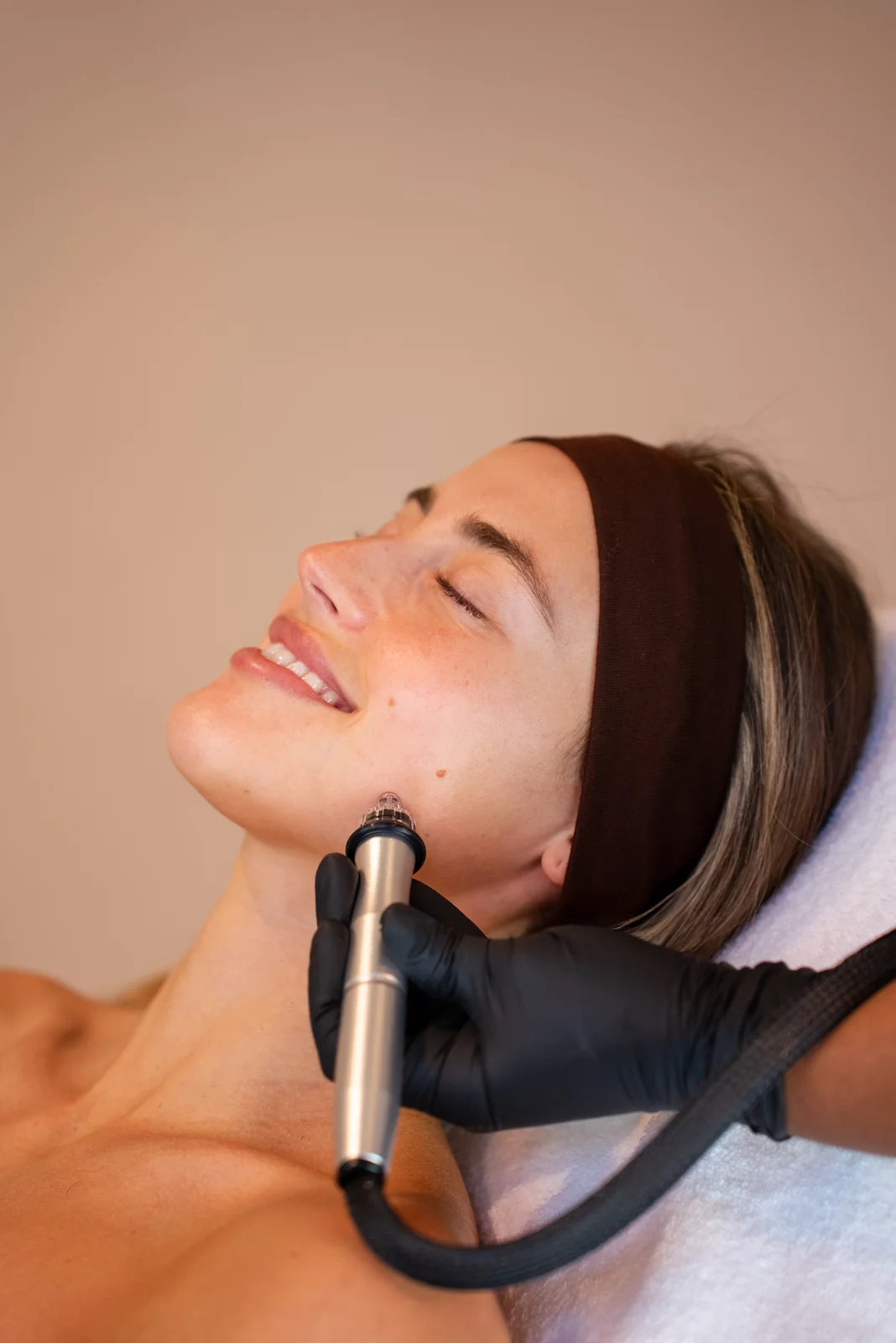
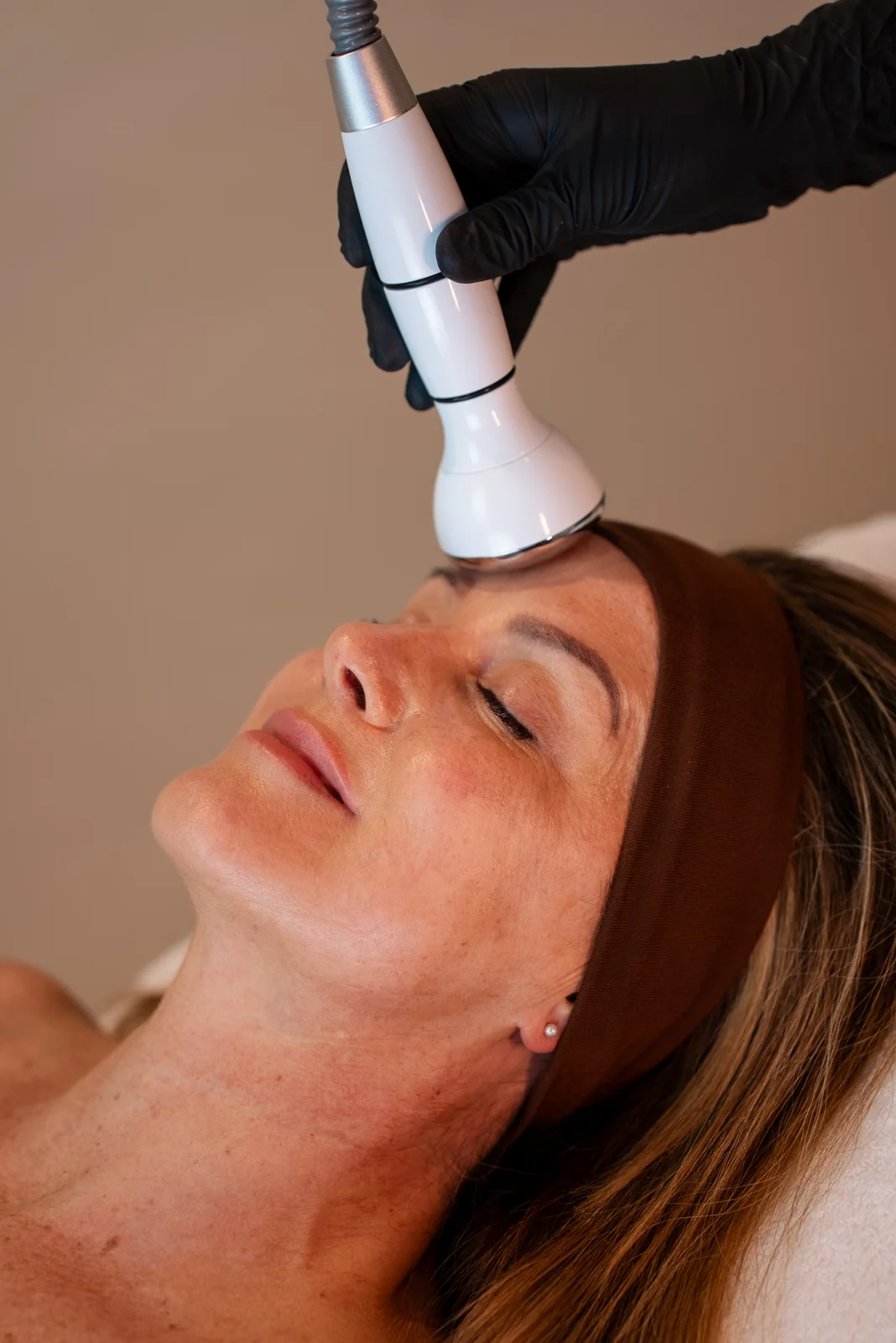
For oily skin the most effective treatments at SKIN are: the Carbon Laser Facial (reduces pores and sebum), chemical peels with salicylic acid or glycolic acid (deep cleansing and regulation), the Plason Facial with cold plasma (antibacterial action, suppresses sebaceous glands), the Deep Cleansing Facial (manual pore cleansing and extraction) and LED light therapy with blue light (kills acne bacteria). Our skin therapist determines the right combination at intake.
How can I make my pores appear smaller or actually reduce them?
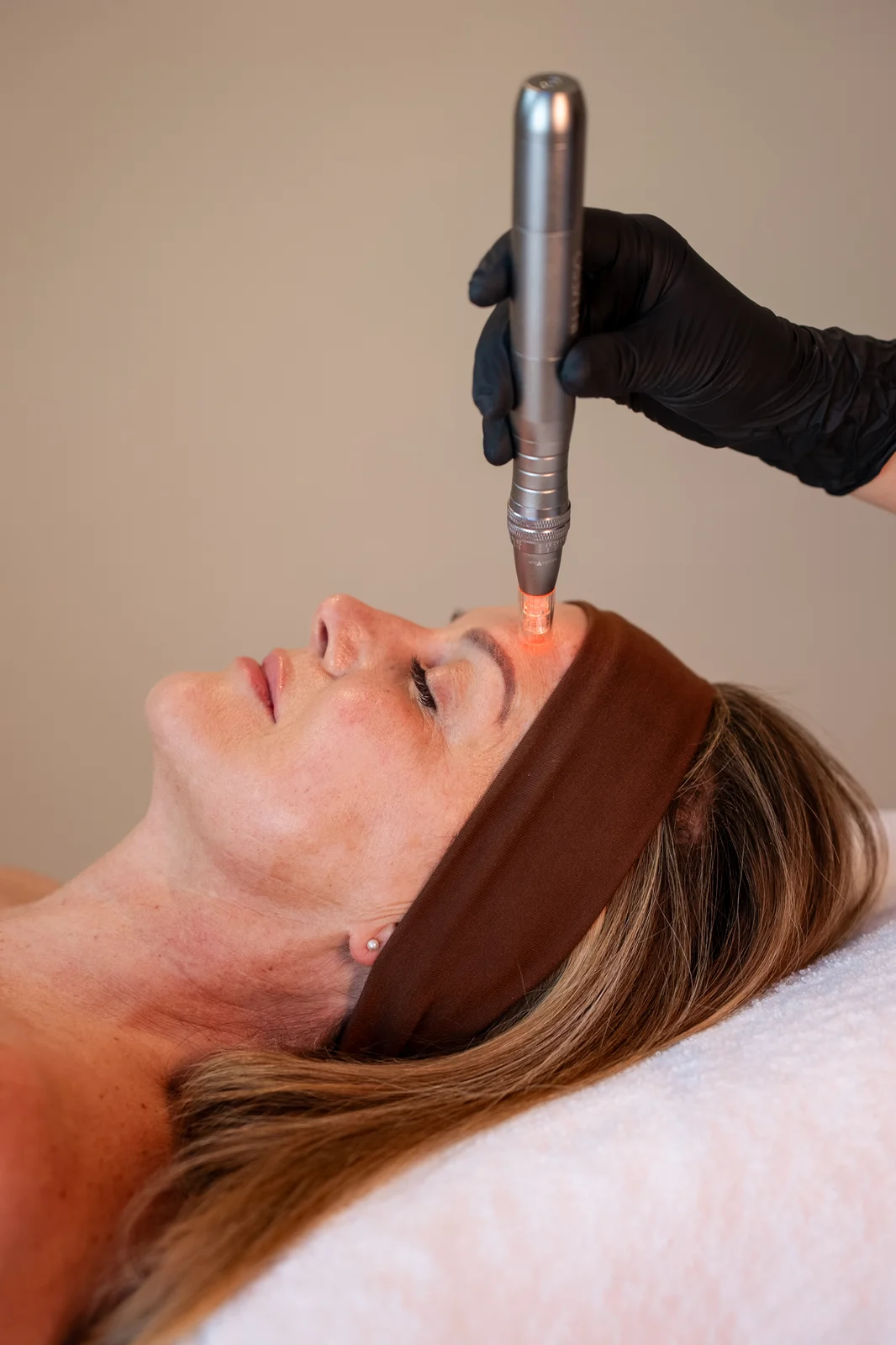
Pores cannot literally be opened or closed: that is a myth. But you can make them less visible and partially reduce them. Clean pores look smaller. Regular cleansing and exfoliation (AHA/BHA) help. Professionally, the Carbon Laser Facial, salicylic acid peels and microneedling are proven effective for long-term pore reduction. Daily SPF prevents UV damage from enlarging pores further. Our skin therapist explains which approach delivers the most realistic results.
Should I use a moisturiser with oily skin?
Yes, oily skin also needs hydration. It is a persistent myth that oily skin does not need a moisturiser: oily skin can simultaneously have a moisture deficit. Choose an oil-free, gel-based or water-based moisturiser with hyaluronic acid or niacinamide. Avoid rich creams with vegetable oils. A good light moisturiser helps keep the skin barrier intact, causing the sebaceous glands to compensate less. Our skin therapist is happy to recommend the right product.
How many times per day should I cleanse oily skin?
Cleansing twice per day is the recommended frequency: morning and evening. Cleansing more than twice per day leads to over-stripping, which actually triggers the sebaceous glands to produce more. Choose a gentle, foaming cleanser with salicylic acid or niacinamide. During the day you can use blotting paper for excessive shine instead of washing your face. Our skin therapist recommends the right cleanser at the Product Consultation.
Which make-up is best for oily skin?
For oily skin, matte, oil-free foundations are best. Use a pore-filling primer on the T-zone for a smoother canvas. Choose a long-lasting, mattifying foundation or BB cream. Loose powder (setting powder) helps combat shine throughout the day. Avoid liquid foundations with a dewy finish: these accentuate shine. A non-comedogenic SPF is essential. Our skin therapist is happy to give make-up tips alongside your skincare advice.
Is treatment for oily skin safe during pregnancy?
Mild treatments such as deep cleansing facials, blue LED light therapy and cold plasma are generally safe during pregnancy. Salicylic acid peels at high concentrations are not recommended. Our skin therapist fully adapts the protocol for a safe treatment. Always discuss this with your midwife or GP before making an appointment.
Get advice from our specialists
Every skin concern deserves a personalised approach. Book a free, no-obligation consultation and discover which treatment suits you best.